
Sustainability
There are many ways to improve the sustainability of an agricultural operation, but not every approach will be practical for every farm. Identifying a specific goal can help determine which strategies may be the best fit.
The examples highlight different approaches to improving sustainability, starting with practices that are generally easier to implement and progressing toward more complex changes.
Nitrification Inhibitor

Nitrification Inhibitors are chemical compounds that can be applied with fertilizer to temporarily reduce the populations of bacteria involved in the process of converting ammonium to the easily leached nitrate form of N. Their use can help decrease the possibility that large losses of nitrate will occur before the nitrogen is taken up by plants. Their utility will depend on weather conditions around the time of application
Spring Applied Nitrogen
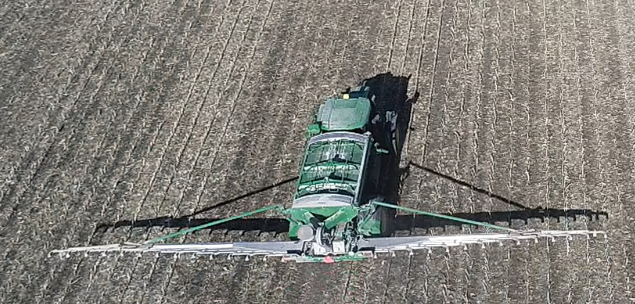
Applying Nitrogen in the spring can increase efficiency and reduce the amount lost to leaching and denitrification.
Split Applied Nitrogen

Applying nitrogen at planting and early in the season allows the nitrogen to be there when the plant needs it, increasing efficiency and further reducing the risk of losing nitrogen to the environment.
Variable Rate Nutrients
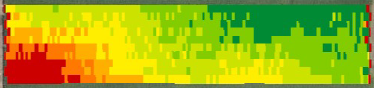
Applying different rates of fertilizer to different parts of the field based on a predetermined prescription (usually based on soil test results) can help put nutrients only where they are needed.
Reduced Tillage

Reducing the intensity, depth or frequency of tillage can help maintain soil structure and reduce soil erosion. Depending on the type of tillage, additional benefits may occur from residue left on the surface.
Cover Crops

Cover crops are non-cash crops generally planted in the fall to keep the soil covered until the next cash crop the following spring. Cover crops help keep nutrients out of the waterways, reduce soil erosion and improve soil structure.
Saturated Buffers

Saturated buffers are a series of perforated drainage pipes that run parallel to a riparian zone between the field’s edge and the water. Instead of running straight into the water supply, water from the field is filtered through the soil beforehand, which allows denitrification to occur.
Water Quality

Water quality in agriculture is the practice of minimizing runoff of agricultural products to non-target sources through the practices discussed above.
Reduced Tillage

Reducing the intensity, depth or frequency of of tillage can help maintain soil structure and reduce soil erosion. Depending on the type of tillage, additional benefits may occur from residue left on the surface.
4R Nitrogen Practices

The 4R nitrogen strategy is a framework for fertilizer management with the goal of improving nutrient use efficiency. It postulates that we should aim to apply the right source at the right rate, the right time, and the right place for each crop, field and nutrient. Since nitrogen is one of the most heavily applied row crop nutrients and is very mobile in the soil, practicing the 4Rs can help our bottom line by keeping it in the field and available to the crop when it’s most needed.
Variable Rate Nutrients
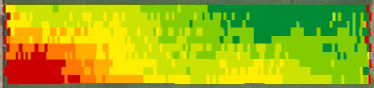
Applying different rates of fertilizer to different parts of the field based on a predetermined prescription (usually based on soil test results) can help put nutrients only where they are needed.
Strip-Till

Strip-till is a type of reduced tillage where only ~1/3 of the row is tilled. This strategy allows the soil where the seeds will be planted to warm up and dry out ahead of planting while leaving a portion of the ground undisturbed. By leaving some of the field untilled, the system will benefit from residue cover and intact soil structure between the rows. One challenge with strip-till is maintaining accuracy when planting in the strip. RTK technology is highly recommended in conjunction with this practice.
No-Till

No-till farming uses no tillage. This strategy can be challenging and may require changes to the planter, including increased downforce and/or reduced speed, different row cleaners or coulters and possibly a different crop maturity to account for slow soil warm-up. However, there are many benefits to no-till, especially after the first few years when the soil has had time to adjust. Soil structure and water-holding capacity will improve, erosion will decrease and organic matter content will slowly creep up. No-till is often paired with cover crops to help alleviate compaction issues that can occur near the beginning of a no-till transition.
Cover Crops

Cover crops are non-cash crops generally planted in the fall to keep the soil covered until the next cash crop the following spring. Cover crops help keep nutrients out of the waterways, reduce soil erosion and improve soil structure.
Livestock Integration

If livestock are part of your operation, grazing them on cover crops or crop residue can speed up nutrient cycling, add fertility and water-holding capacity to the field and increase organic matter. Grazing can also help save costs on feed and increase the value of a cover crop.
Soil Health

The health of a soil relates to its ability to perform ecosystem functions and is an integration of its physical, chemical and biological components.
Reduced Tillage

Reducing the intensity, depth or frequency of tillage can help maintain soil structure and reduce soil erosion. Depending on the type of tillage, additional benefits may occur from residue left on the surface.
Strip-Till

Strip-till is a type of reduced tillage where only ~1/3 of the row is tilled. This strategy allows the soil where the seeds will be planted to warm up and dry out ahead of planting while leaving a portion of the ground undisturbed. By leaving some of the field untilled, the system will benefit from residue cover and intact soil structure between the rows. One challenge with strip-till is maintaining accuracy when planting in the strip. RTK technology is highly recommended in conjunction with this practice.
No-Till

Strip-till is a type of reduced tillage where only ~1/3 of the row is tilled. This strategy allows the soil where the seeds will be planted to warm up and dry out ahead of planting while leaving a portion of the ground undisturbed. By leaving some of the field untilled, the system will benefit from residue cover and intact soil structure between the rows. One challenge with strip-till is maintaining accuracy when planting in the strip. RTK technology is highly recommended in conjunction with this practice.
High Speed Planting
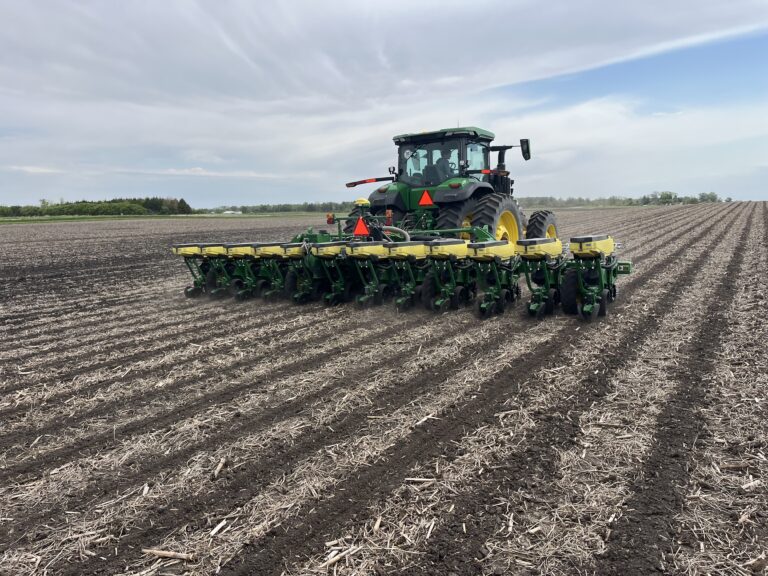
Using a high-speed planter allows for planting speeds up to 10 miles per hour while maintaining good singulation and spacing. This is a great way to increase the number of acres able to be planted during the ideal planting window.
Fewer Passes

Limiting the number of passes required to raise a crop, whether that be by using cover crops to reduce herbicide needs, reducing or eliminating tillage passes, considering the necessity of a fungicide pass, etc., can help increase efficiency by reducing fuel and equipment costs as well as reducing labor needs.
Shallower Tillage

Decreasing tillage depth can reduce fuel and equipment costs while maintaining more soil structure and water-holding capacity.
Precision Spraying

Using precision spraying technology to apply herbicide only where there are weeds can help save on inputs during a post-planting herbicide application.
Operational Efficiency

Operational efficiency can be optimized through the practices above, which ultimately increases the speed at which fieldwork can be completed, lowering costs associated with fuel and labor. Additionally, the optimization of inputs through practices such as targeted spraying can lower costs through less product use.